Harnessing the Power of Symbiosis: Microbebio's Microbial Innovations Transform Agriculture
In the pursuit of agricultural excellence, the intersection of science and nature holds the key to unlocking unprecedented levels of crop productivity and sustainability. Central to this pursuit are the beneficial microbes developed by Microbebio, which establish symbiotic relationships with plants to significantly enhance yield, root mass, quality, shelf life, and aroma. These microbial solutions not only defend crops against pests and diseases but also champion environmental protection, culminating in a positive impact on farmers’ bottom lines.
 The Essence of Symbiosis
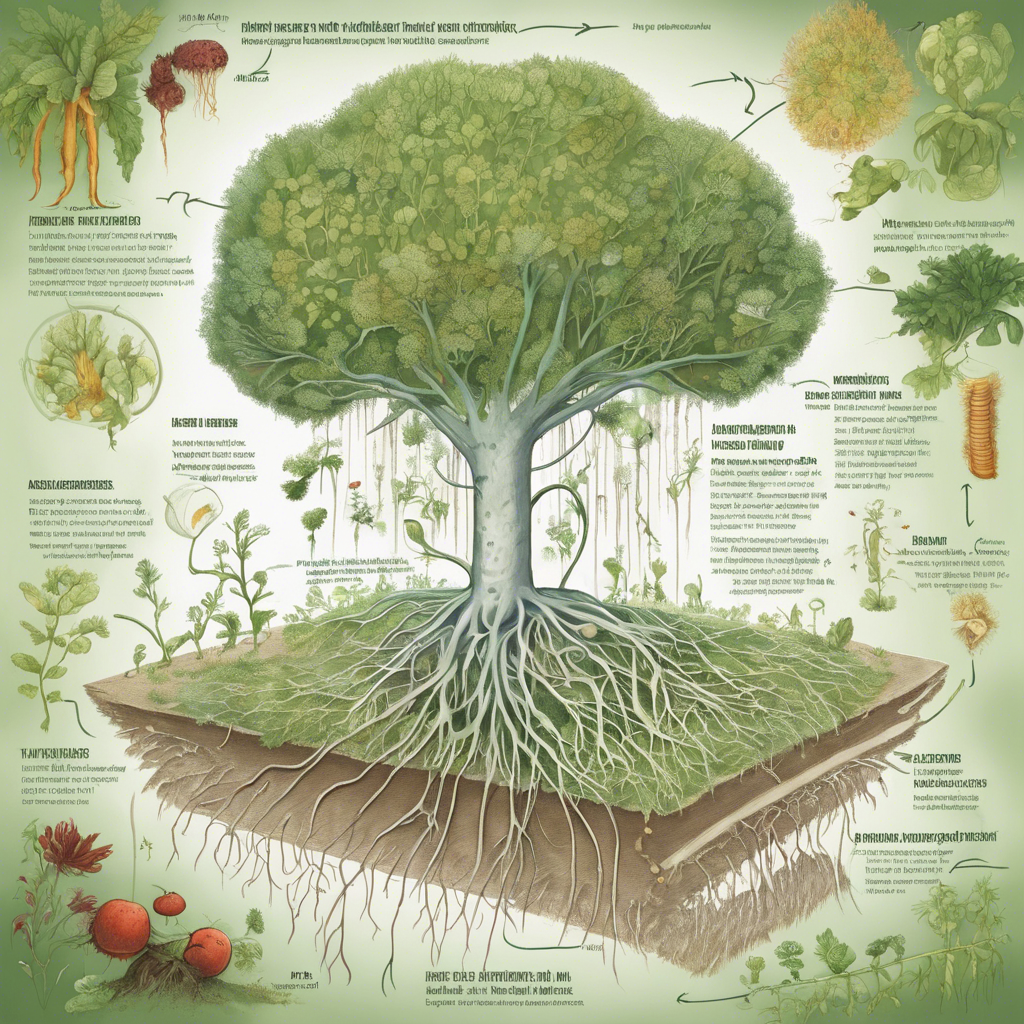
At the heart of Microbebio’s technology lies the symbiotic relationship between beneficial microbes and plants. This natural partnership is fundamental to plant health and growth, whereby plants provide carbohydrates to microbes through root exudates, and in return, microbes offer a plethora of benefits including nutrient solubilization, nitrogen fixation, and the production of growth-promoting hormones and enzymes. This exchange is not merely transactional but a deeply integrated process that enhances plant vitality and resilience.
Yield and Root Mass Enhancement
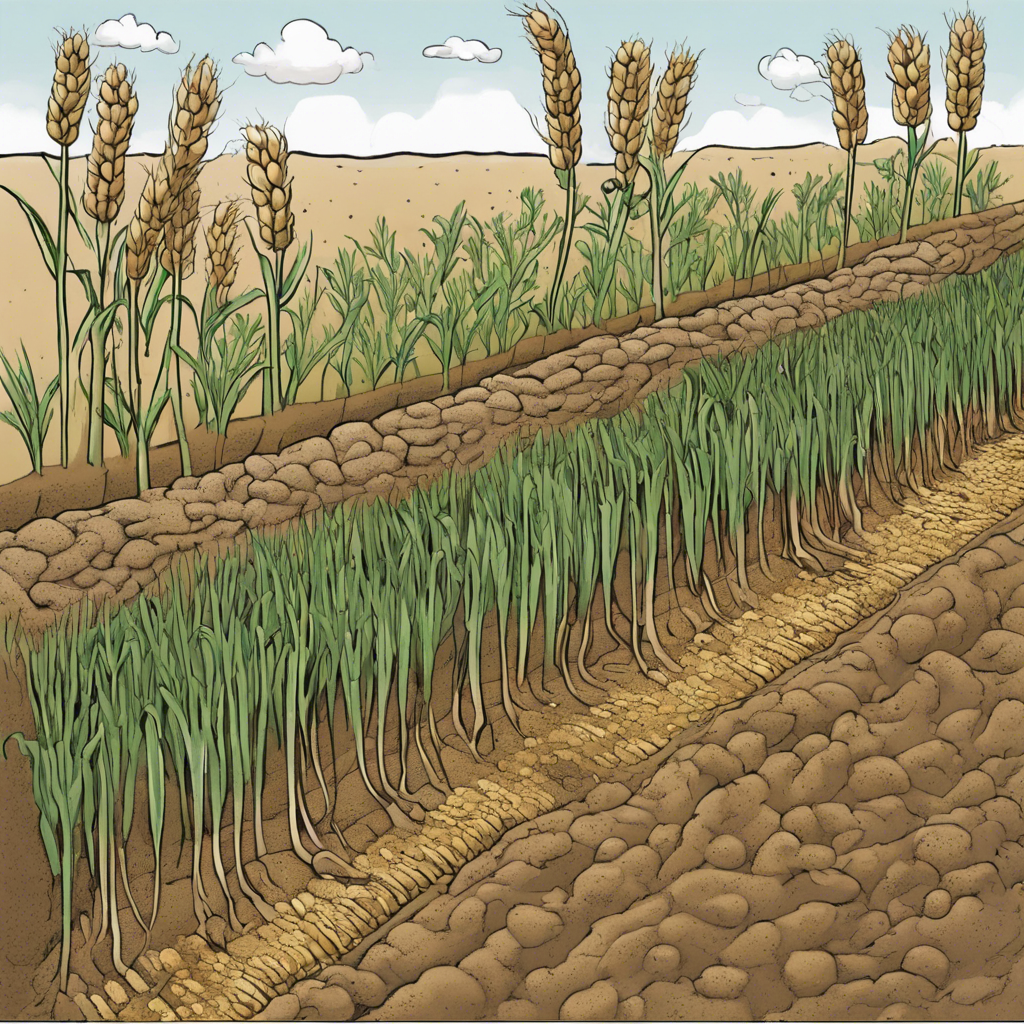
Microbebio’s microbial consortia are designed to optimize plant growth conditions, leading to substantial improvements in yield and root mass. By facilitating more efficient nutrient uptake and water absorption, these microbes ensure that plants can reach their full genetic potential. A larger root mass not only supports stronger, healthier plants but also enhances soil structure and stability, creating a positive feedback loop that benefits the entire ecosystem.
Quality, Shelf Life, and Aroma
The influence of beneficial microbes extends beyond the physical growth of the plant to affect the quality and sensory attributes of the produce. Fruits and vegetables grown with Microbebio’s microbial solutions exhibit increased concentrations of sugars, vitamins, and antioxidants, directly translating into better taste, aroma, and nutritional value. Furthermore, these enhancements contribute to an extended shelf life, reducing waste and increasing the marketability of the produce.
Defense Against Pests and Diseases
One of the most significant advantages of incorporating Microbebio’s microbes into agricultural practices is their role in plant defense. By strengthening the plant’s own immune system and producing natural antibiotics and fungicides, these microbes act as a first line of defense against a wide array of pests and diseases. This biological protection reduces the reliance on chemical pesticides, leading to healthier crops and a safer environment.
Environmental Protection
Microbebio’s microbial technologies also play a crucial role in environmental sustainability. By improving soil health and structure, reducing the need for chemical fertilizers and pesticides, and enhancing water efficiency, these microbial solutions contribute to a more sustainable agricultural model. This approach not only conserves biodiversity but also mitigates the impact of farming on climate change, promoting a healthier planet.
Impact on Farmers’ Bottom Line
The cumulative effect of increased yield, improved crop quality, and reduced input costs translates into a significant positive impact on farmers’ profitability. The use of Microbebio’s beneficial microbes not only ensures a more resilient and productive farm but also aligns with consumer demand for sustainably produced, high-quality food products, opening up new markets and opportunities for farmers.
The integration of Microbebio’s beneficial microbes into agricultural practices represents a paradigm shift towards a more sustainable, productive, and resilient farming system. By harnessing the power of symbiosis, farmers can achieve remarkable improvements in crop performance, environmental sustainability, and economic viability. As we move forward, the role of microbial technology in agriculture will undoubtedly continue to expand, offering promising solutions to some of the most pressing challenges facing our global food system.