Why Microbes Can Control Golden Apple Snails: A Sustainable Solution to an Invasive Pest
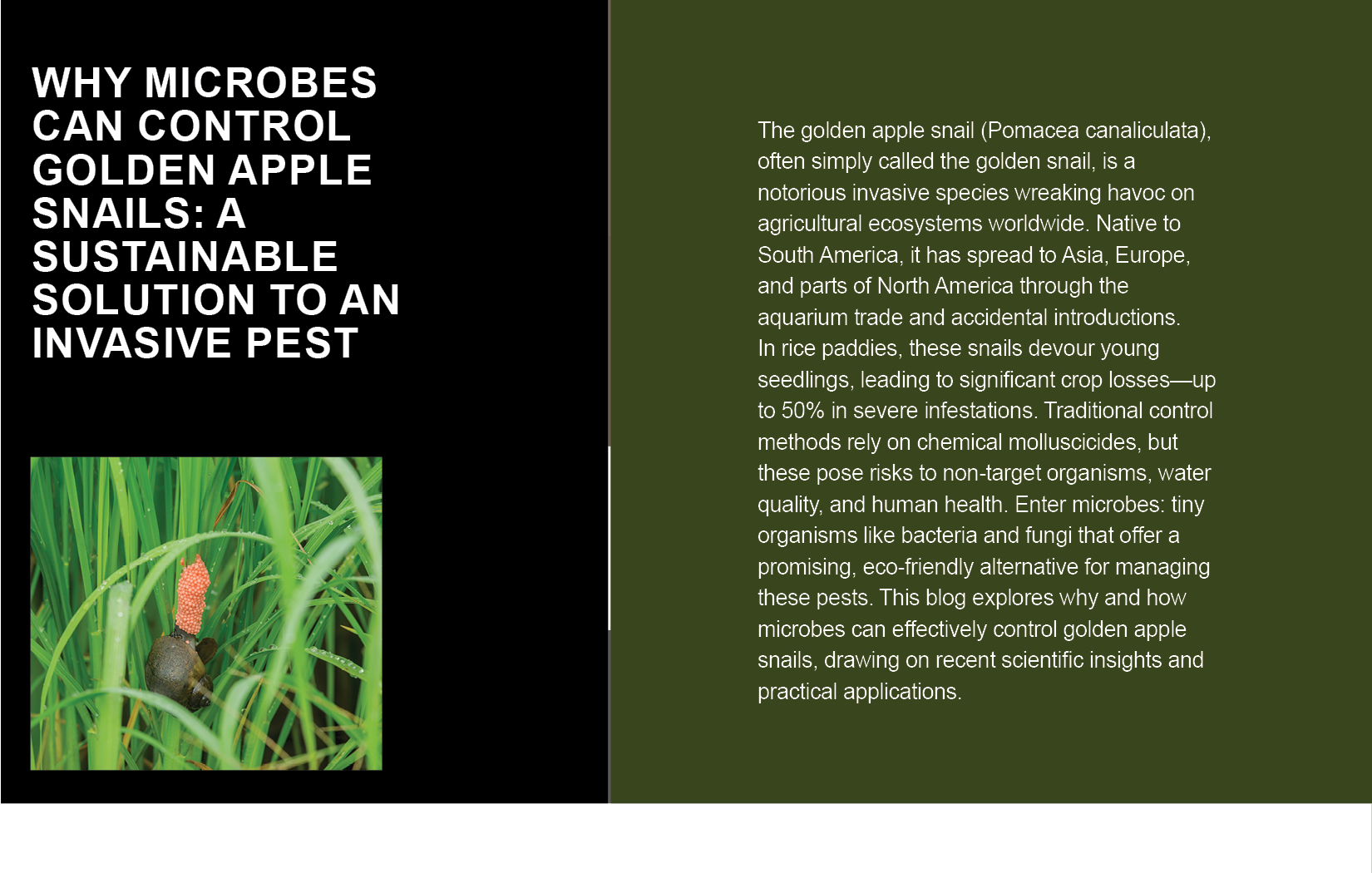
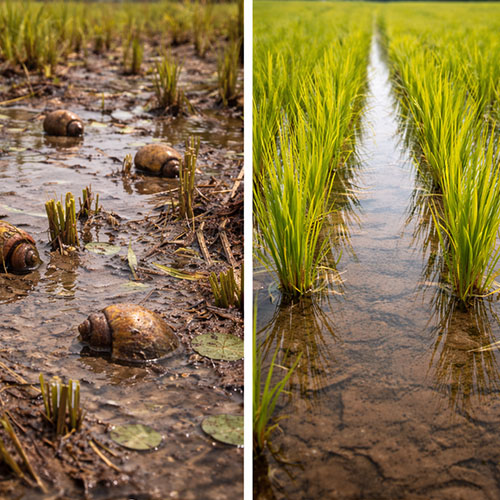
The golden apple snail (Pomacea canaliculata), often simply called the golden snail, is a notorious invasive species wreaking havoc on agricultural ecosystems worldwide. Native to South America, it has spread to Asia, Europe, and parts of North America through the aquarium trade and accidental introductions. In rice paddies, these snails devour young seedlings, leading to significant crop losses—up to 50% in severe infestations. Traditional control methods rely on chemical molluscicides, but these pose risks to non-target organisms, water quality, and human health. Enter microbes: tiny organisms like bacteria and fungi that offer a promising, eco-friendly alternative for managing these pests. This blog explores why and how microbes can effectively control golden apple snails, drawing on recent scientific insights and practical applications.
The Menace of Golden Apple Snails
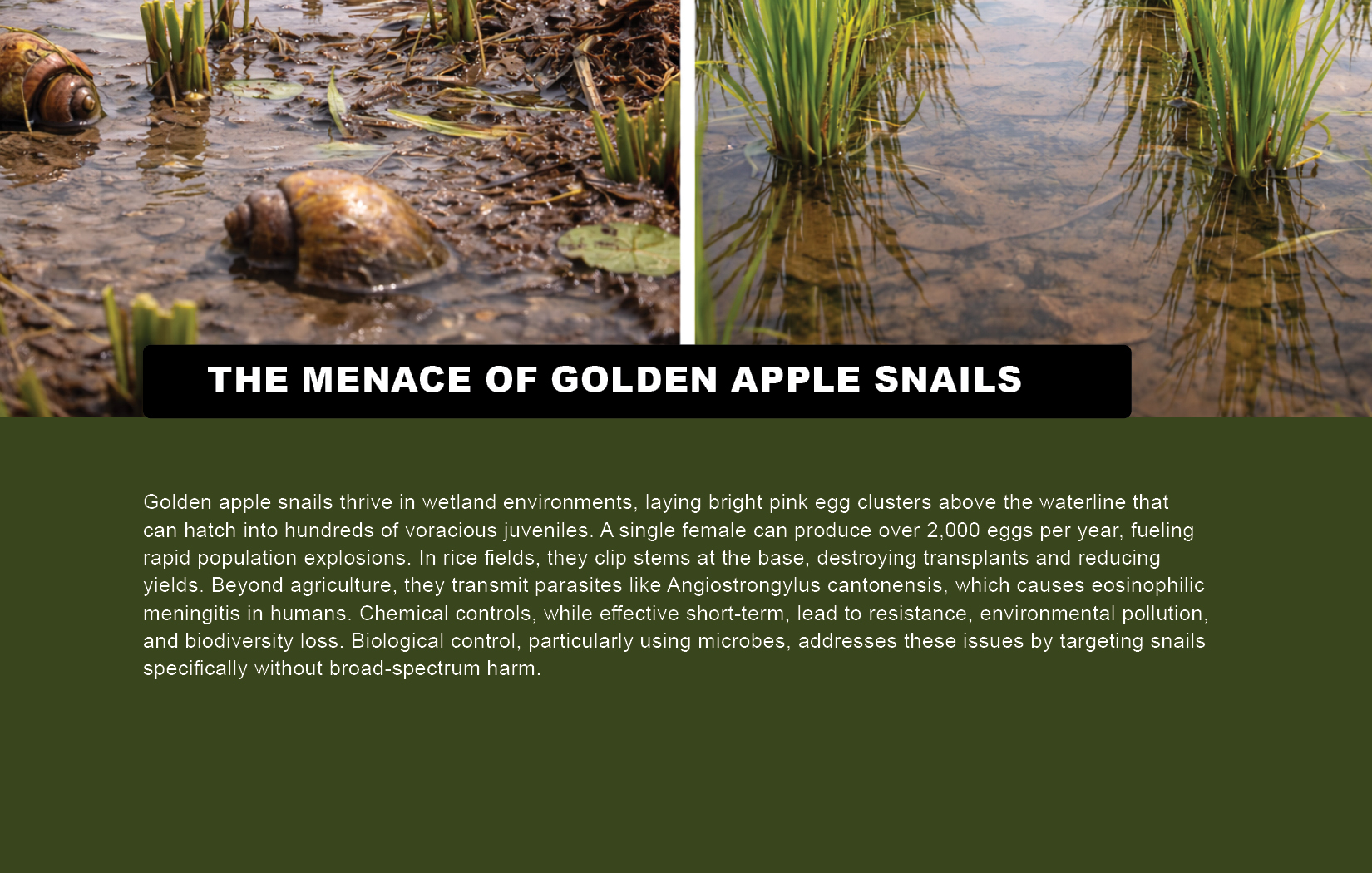
Golden apple snails thrive in wetland environments, laying bright pink egg clusters above the waterline that can hatch into hundreds of voracious juveniles. A single female can produce over 2,000 eggs per year, fueling rapid population explosions. In rice fields, they clip stems at the base, destroying transplants and reducing yields. Beyond agriculture, they transmit parasites like Angiostrongylus cantonensis, which causes eosinophilic meningitis in humans. Chemical controls, while effective short-term, lead to resistance, environmental pollution, and biodiversity loss. Biological control, particularly using microbes, addresses these issues by targeting snails specifically without broad-spectrum harm.
Microbial Warriors: An Overview
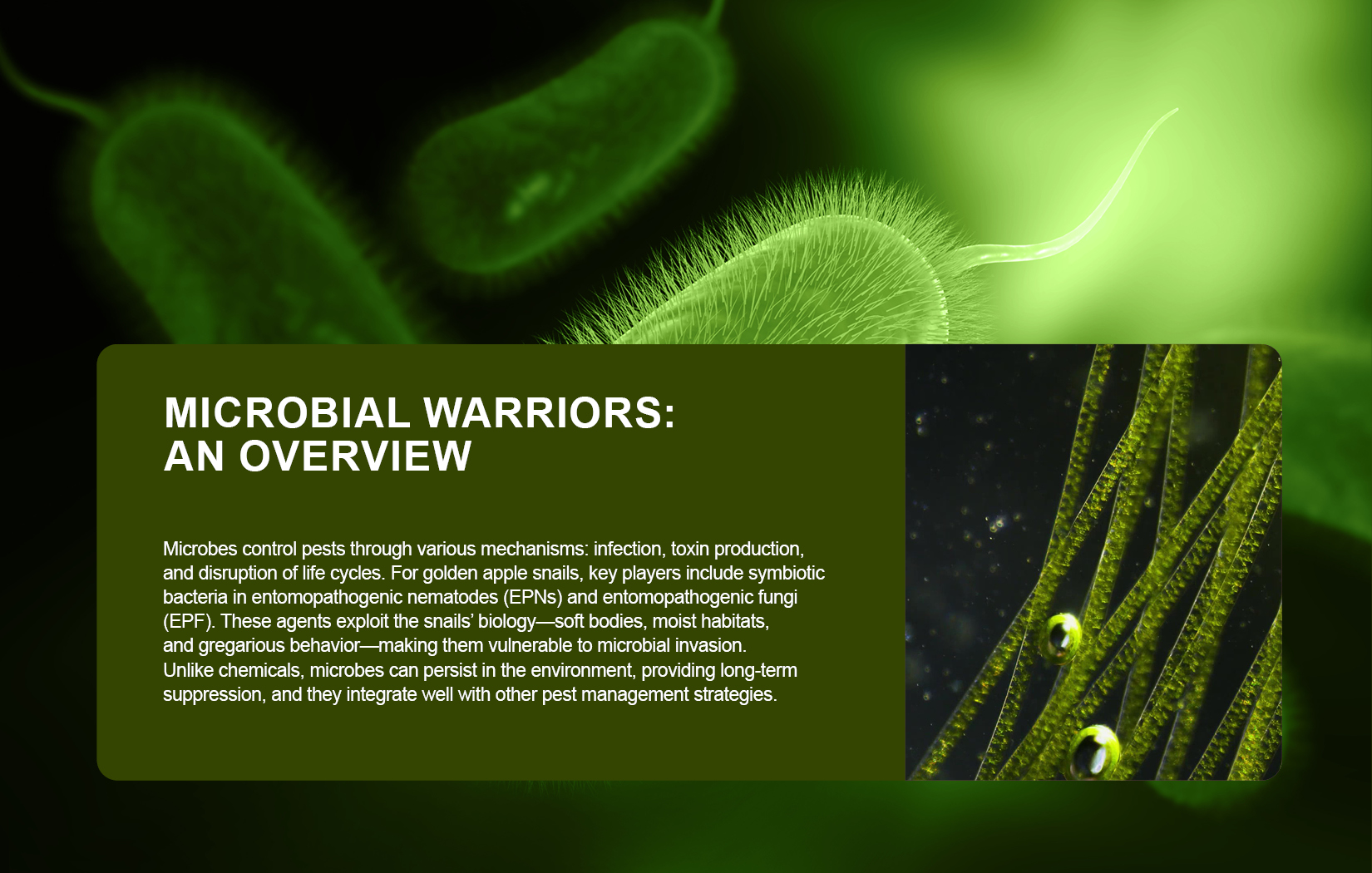
Microbes control pests through various mechanisms: infection, toxin production, and disruption of life cycles. For golden apple snails, key players include symbiotic bacteria in entomopathogenic nematodes (EPNs) and entomopathogenic fungi (EPF). These agents exploit the snails’ biology—soft bodies, moist habitats, and gregarious behavior—making them vulnerable to microbial invasion. Unlike chemicals, microbes can persist in the environment, providing long-term suppression, and they integrate well with other pest management strategies.
Entomopathogenic Nematodes and Symbiotic Bacteria
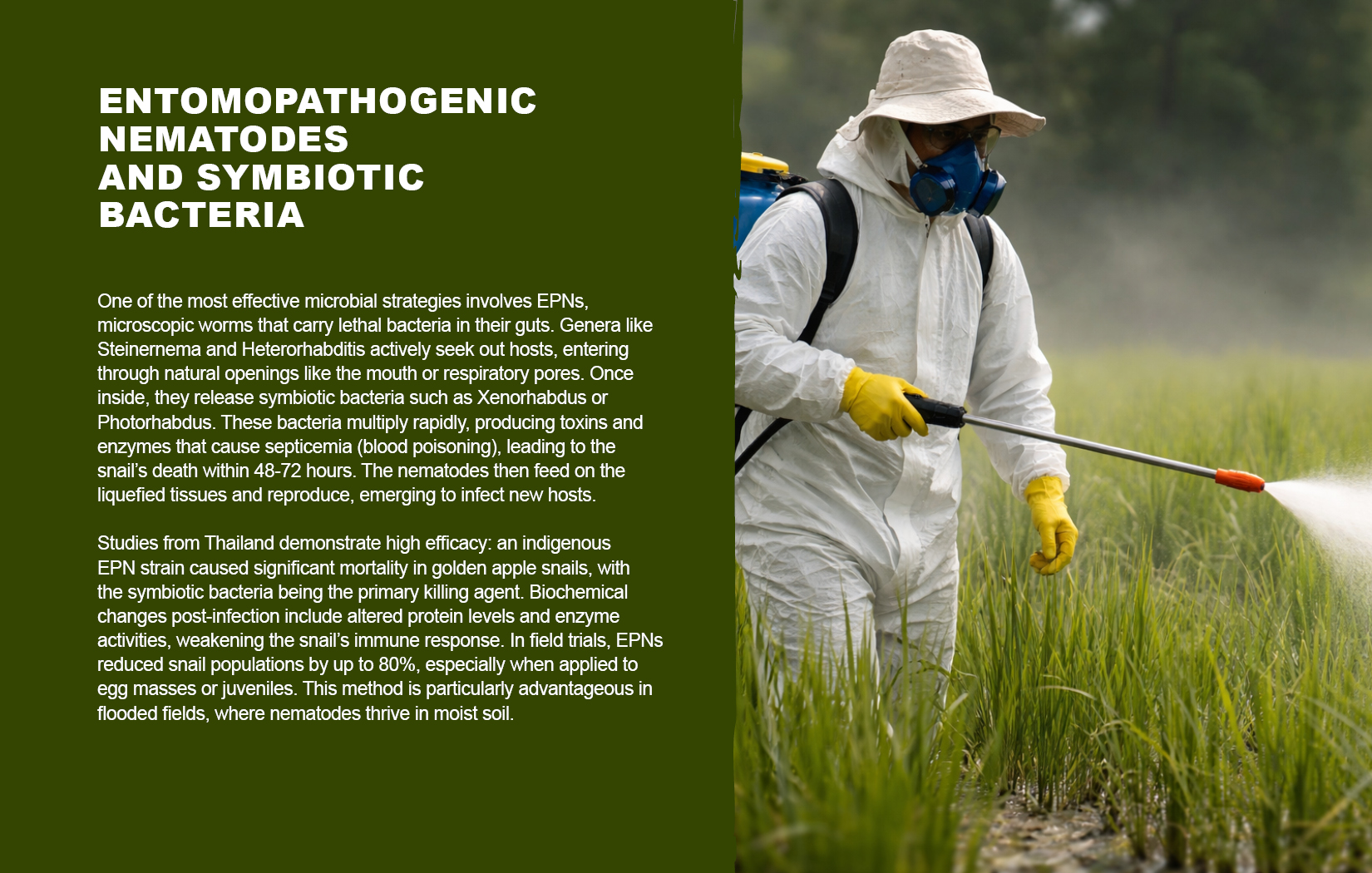
One of the most effective microbial strategies involves EPNs, microscopic worms that carry lethal bacteria in their guts. Genera like Steinernema and Heterorhabditis actively seek out hosts, entering through natural openings like the mouth or respiratory pores. Once inside, they release symbiotic bacteria such as Xenorhabdus or Photorhabdus. These bacteria multiply rapidly, producing toxins and enzymes that cause septicemia (blood poisoning), leading to the snail’s death within 48-72 hours. The nematodes then feed on the liquefied tissues and reproduce, emerging to infect new hosts.
Studies from Thailand demonstrate high efficacy: an indigenous EPN strain caused significant mortality in golden apple snails, with the symbiotic bacteria being the primary killing agent. Biochemical changes post-infection include altered protein levels and enzyme activities, weakening the snail’s immune response. In field trials, EPNs reduced snail populations by up to 80%, especially when applied to egg masses or juveniles. This method is particularly advantageous in flooded fields, where nematodes thrive in moist soil.
Entomopathogenic Fungi: Nature’s Moldy Assassins
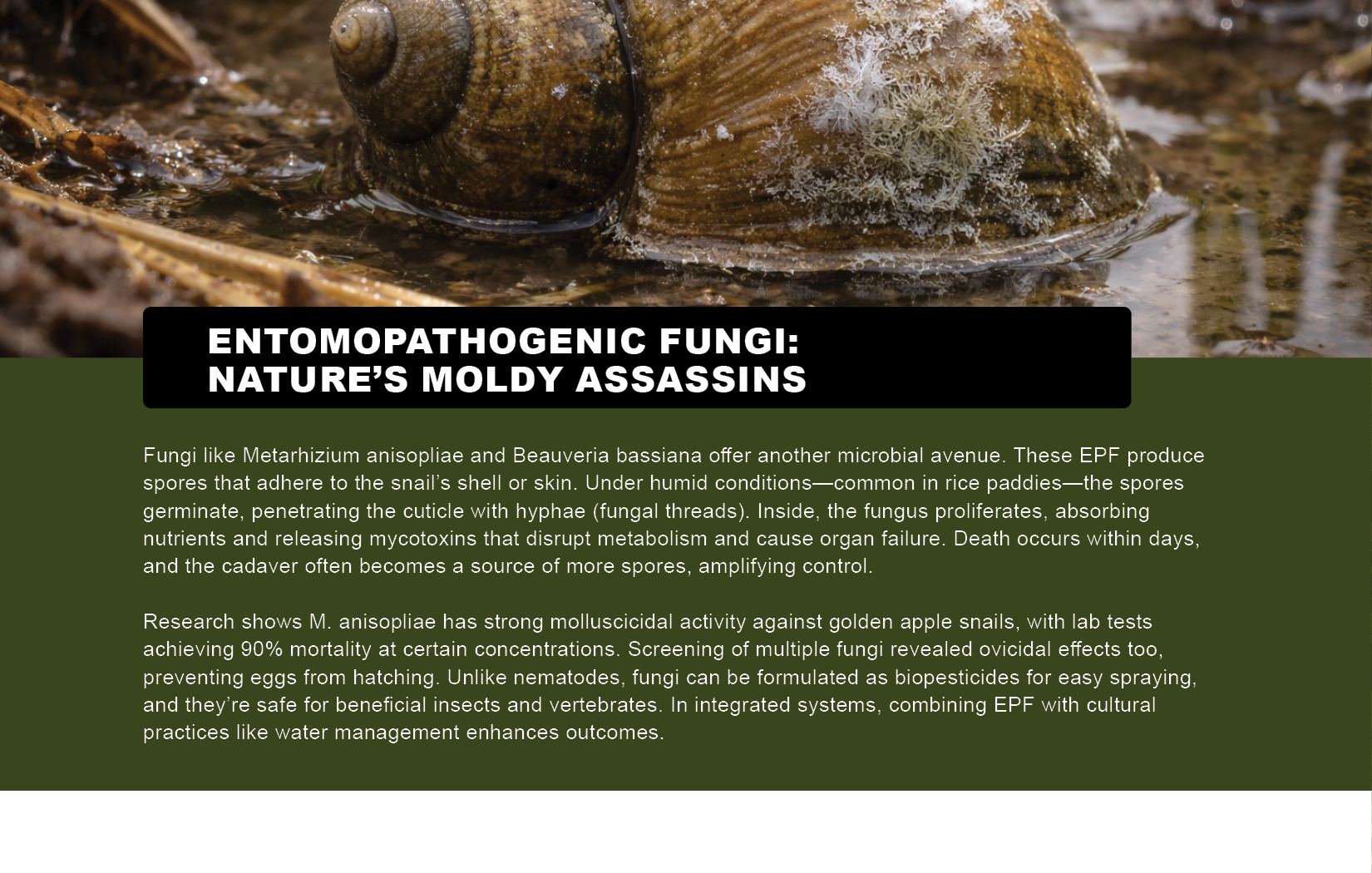
Fungi like Metarhizium anisopliae and Beauveria bassiana offer another microbial avenue. These EPF produce spores that adhere to the snail’s shell or skin. Under humid conditions—common in rice paddies—the spores germinate, penetrating the cuticle with hyphae (fungal threads). Inside, the fungus proliferates, absorbing nutrients and releasing mycotoxins that disrupt metabolism and cause organ failure. Death occurs within days, and the cadaver often becomes a source of more spores, amplifying control.
Research shows M. anisopliae has strong molluscicidal activity against golden apple snails, with lab tests achieving 90% mortality at certain concentrations. Screening of multiple fungi revealed ovicidal effects too, preventing eggs from hatching. Unlike nematodes, fungi can be formulated as biopesticides for easy spraying, and they’re safe for beneficial insects and vertebrates. In integrated systems, combining EPF with cultural practices like water management enhances outcomes.
Commercial Microbial Solutions
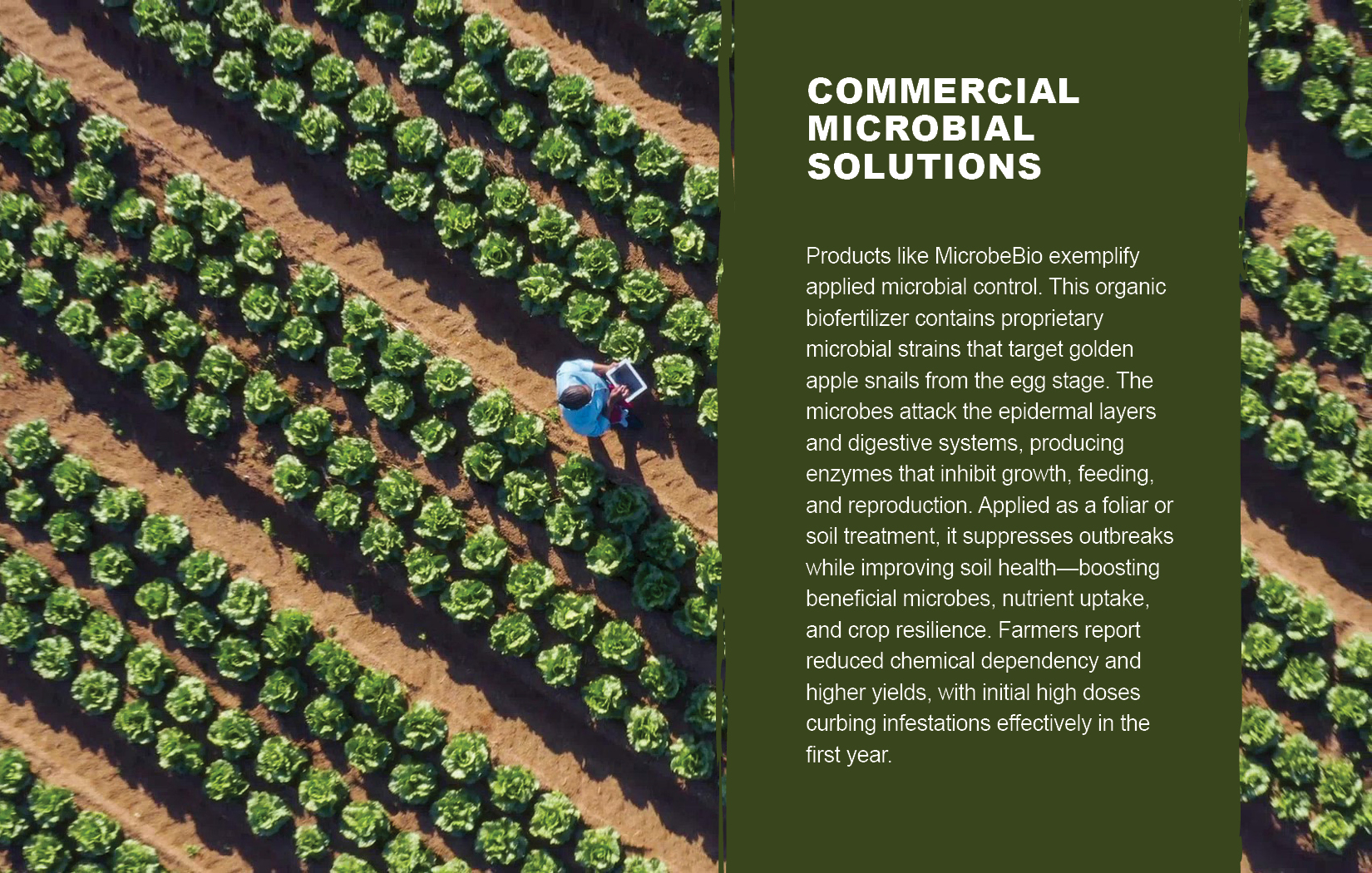
Products like MicrobeBio exemplify applied microbial control. This organic biofertilizer contains proprietary microbial strains that target golden apple snails from the egg stage. The microbes attack the epidermal layers and digestive systems, producing enzymes that inhibit growth, feeding, and reproduction. Applied as a foliar or soil treatment, it suppresses outbreaks while improving soil health—boosting beneficial microbes, nutrient uptake, and crop resilience. Farmers report reduced chemical dependency and higher yields, with initial high doses curbing infestations effectively in the first year.
Advantages and Challenges
Microbes excel in sustainability: they’re biodegradable, minimize resistance development, and support biodiversity. They align with integrated pest management (IPM), reducing environmental footprints amid climate change, which exacerbates snail proliferation. Cost-effective over time, they also avoid contaminating water sources critical for aquaculture and drinking.
However, challenges exist. Efficacy depends on environmental factors like temperature, humidity, and soil type—EPNs perform best below 30°C, while fungi need moisture. Application timing is crucial, targeting vulnerable life stages. Scaling up production and ensuring strain specificity require ongoing research.
A Microbial Future for Pest Control
Microbes can control golden apple snails because they exploit natural vulnerabilities with precision, offering a greener path than chemicals. From EPNs’ bacterial allies to fungi’s invasive growth and commercial formulations, these tiny agents deliver big results. As invasive species pressures mount, embracing microbial biocontrol isn’t just innovative—it’s essential for sustainable agriculture. With continued advancements, microbes could turn the tide against golden apple snails, safeguarding crops and ecosystems alike.
Grow cleaner. Grow stronger. Grow with MicrobeBio.